

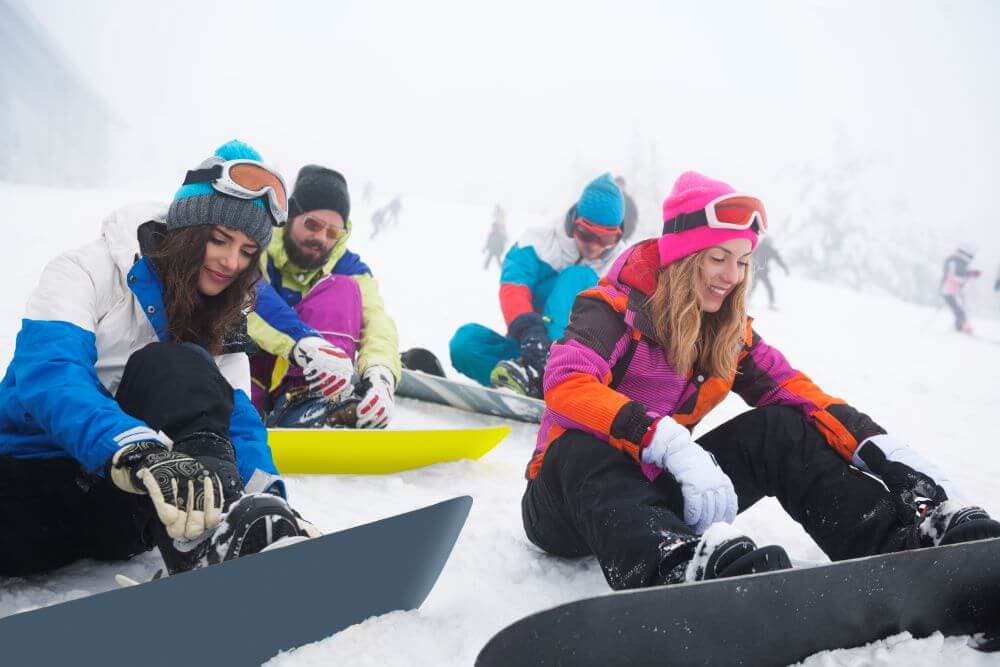
Winter sports, from skiing to snowboarding, offer adrenaline-pumping fun and physical challenges. However, staying hydrated during these activities is often overlooked. At Oasis IV and Wellness, we recognize the importance of maintaining proper hydration to keep your body performing at its peak and to aid in recovery after a day on the slopes. In this guide, we’ll share essential hydration tips tailored for skiers and winter sport enthusiasts.
Why Hydration Matters in Winter Sports
Unlike summer activities, the cold temperatures in winter can suppress your sense of thirst. However, your body still loses significant amounts of fluid through sweat, increased respiration, and environmental factors like dry air at high altitudes. Failing to hydrate properly can lead to fatigue, muscle cramps, and even impaired coordination, all of which can increase the risk of injury.
1. Start Hydrating Before Hitting the Slopes
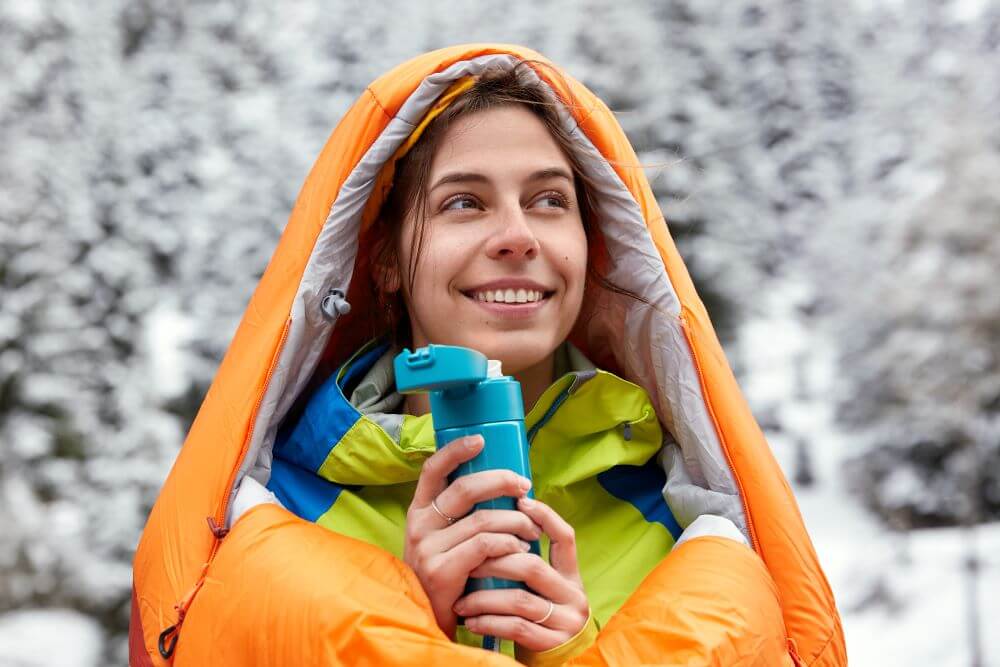
Hydration isn’t just about what you drink during your activity; it begins well before you set foot on the mountain. Start increasing your water intake at least 24 hours before engaging in winter sports. Focus on water and electrolyte-rich beverages to ensure your body is well-prepared to handle the physical demands of skiing or snowboarding.
2. Sip Water Regularly, Even If You Don’t Feel Thirsty
In cold weather, you might not feel thirsty as often as you would in warmer conditions. However, your body’s need for fluids doesn’t decrease. Carry a water bottle or hydration pack and aim to take small sips every 20-30 minutes. Set reminders if necessary to ensure consistent hydration throughout the day.
3. Replenish Lost Electrolytes
Electrolytes—such as sodium, potassium, and magnesium—are essential for maintaining energy levels, muscle function, and overall hydration. Pack electrolyte tablets, sports drinks, or snacks like bananas and trail mix to replenish these vital nutrients during breaks. Avoid over-reliance on sugary drinks, which can lead to energy crashes.
4. Monitor Signs of Dehydration
Being aware of the early signs of dehydration can help prevent it from escalating. Common symptoms include:
- Dry mouth
- Headaches
- Dark yellow urine
- Dizziness or lightheadedness
- Muscle cramps
If you notice any of these signs, increase your fluid intake immediately and consider taking a break to recover.
5. Optimize Hydration with IV Therapy

For those looking for a quick and effective way to hydrate before or after skiing, consider IV hydration therapy. At Oasis IV and Wellness, our Hydration IV Therapy delivers fluids, electrolytes, and essential nutrients directly into your bloodstream, ensuring fast absorption and maximum benefits. This service is perfect for recovering after a long day of physical exertion or preparing your body for peak performance.
6. Adjust Hydration Based on Altitude
High altitudes, common in ski resorts, can increase fluid loss due to lower humidity and faster respiration rates. To combat this, increase your water intake by 1-1.5 liters per day when skiing at higher elevations. Additionally, incorporating oxygen breaks can help reduce altitude-related fatigue and dehydration.
7. Eat Hydrating Foods
Foods with high water content can supplement your hydration efforts. Include snacks like oranges, watermelon, cucumbers, and yogurt in your diet during your winter sports adventure. These not only provide hydration but also supply essential vitamins and minerals for energy and recovery.
8. Dress Strategically to Manage Sweat
While staying warm is crucial in winter sports, over-layering can cause excessive sweating, leading to fluid loss. Opt for moisture-wicking base layers and breathable outerwear to regulate your body temperature and minimize unnecessary fluid loss through sweat.
9. Avoid Dehydrating Substances
Alcohol and caffeine are common during ski trips but can have dehydrating effects. While it’s fine to enjoy these in moderation, balance them with plenty of water and electrolyte-rich beverages. Consider limiting their intake before and during your time on the slopes to avoid dehydration-related fatigue and performance issues.
10. Schedule Rest and Hydration Breaks
Winter sports can be physically demanding, and it’s easy to forget to rest when you’re having fun. Plan regular breaks to rehydrate and refuel. Use this time to check in with your body’s hydration levels and replenish any lost fluids and electrolytes.
11. Post-Ski Recovery Hydration
After a day of skiing or snowboarding, your body needs time to recover. Prioritize hydration during your evening routine to replace fluids lost throughout the day. Consider hydrating with nutrient-rich options like coconut water or herbal teas.
The Benefits of Hydration IV Therapy for Recovery

IV therapy isn’t just for hydration before hitting the slopes. After a day of intense activity, Oasis IV and Wellness’s Hydration IV Therapy can help accelerate recovery by:
- Replenishing lost fluids and electrolytes
- Reducing muscle soreness and fatigue
- Enhancing overall energy levels
With mobile services that come directly to your location, it’s a convenient way to prioritize recovery and return to the slopes feeling your best.
Conclusion
Hydration is a vital part of enjoying winter sports safely and effectively. By following these tips, you can ensure that your body remains energized, coordinated, and ready to tackle the challenges of the slopes. For those seeking an extra edge in performance and recovery, Oasis IV and Wellness offers professional and convenient hydration solutions tailored to your needs. Let us help you make the most of your winter adventures—book your Hydration IV Therapy today!